
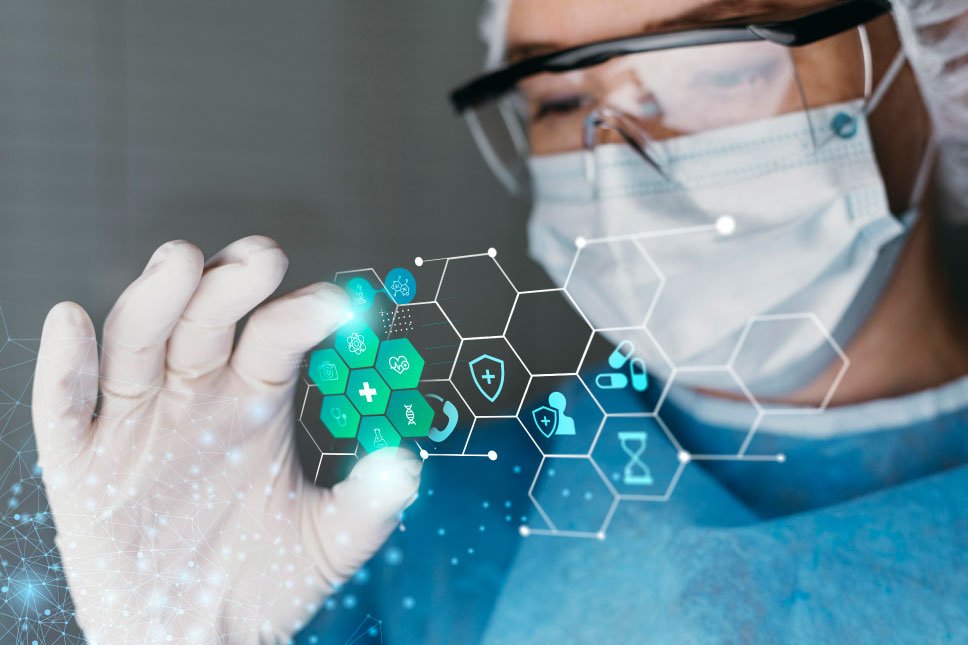

The healthcare industry has changed more in the last five years than in the previous twenty.
New technologies, smarter devices, better diagnostics, and rising patient awareness are reshaping how hospitals and clinics work, especially in India.
Here are the biggest healthcare trends that will influence 2025 and beyond.
1. Digital Health Is Becoming the New Normal
Doctors are now using technology not just for patient records but for active diagnosis and monitoring.
Examples include:
-
AI-powered diagnosis tools
-
Digital prescription systems
-
Smart health reports
-
Cloud-based patient history
This shift improves accuracy and reduces time spent on paperwork.
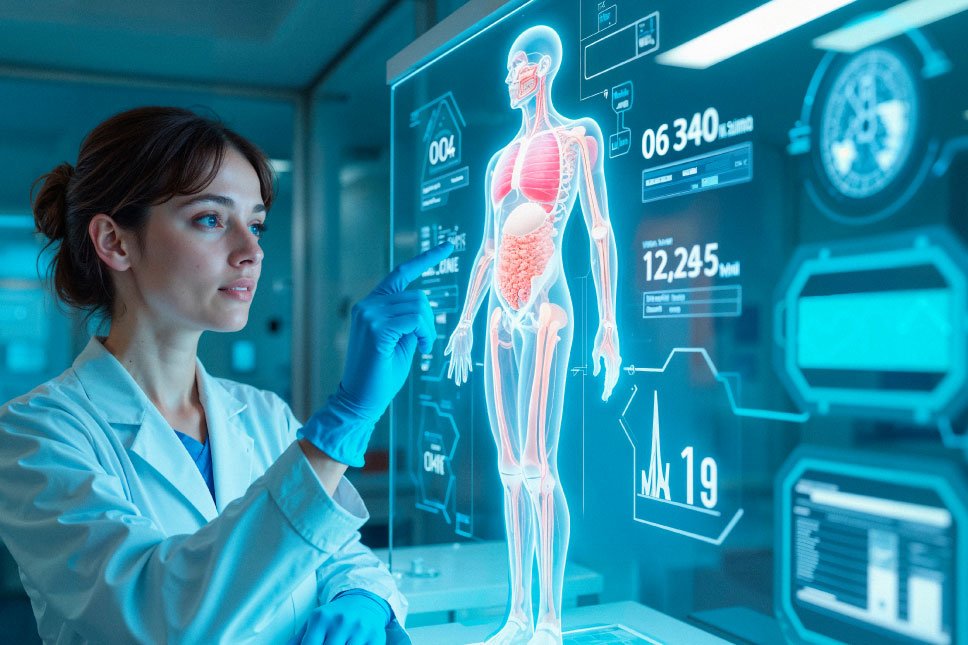
2. Telemedicine & Video Consultations Are Growing Fast
What started during COVID is now a permanent part of healthcare.
Benefits:
-
Patients can consult doctors from home
-
Rural areas get better access to specialists
-
Follow-up treatments become easier
India is seeing major adoption through apps and hospitals.

3. Wearable Health Devices Are Exploding in Popularity
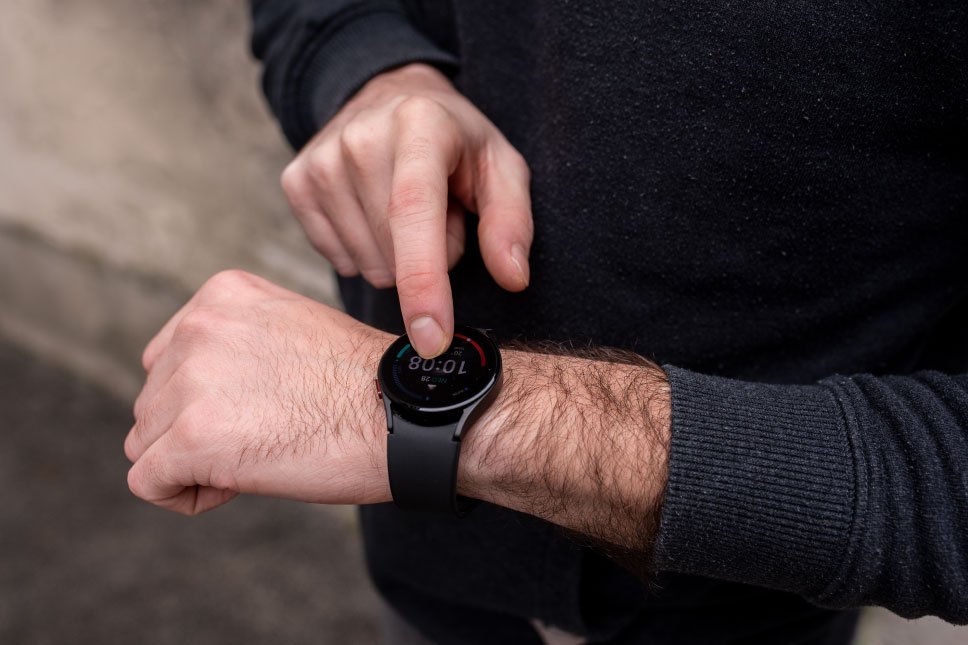
Smartwatches and health bands are not just for fitness anymore.
They now monitor:
-
ECG
-
Blood oxygen
-
Sleep disorders
-
Stress levels
-
Blood pressure
Doctors increasingly encourage patients to share wearable data for early diagnosis.
4. Diagnostic Labs Are Getting More Advanced
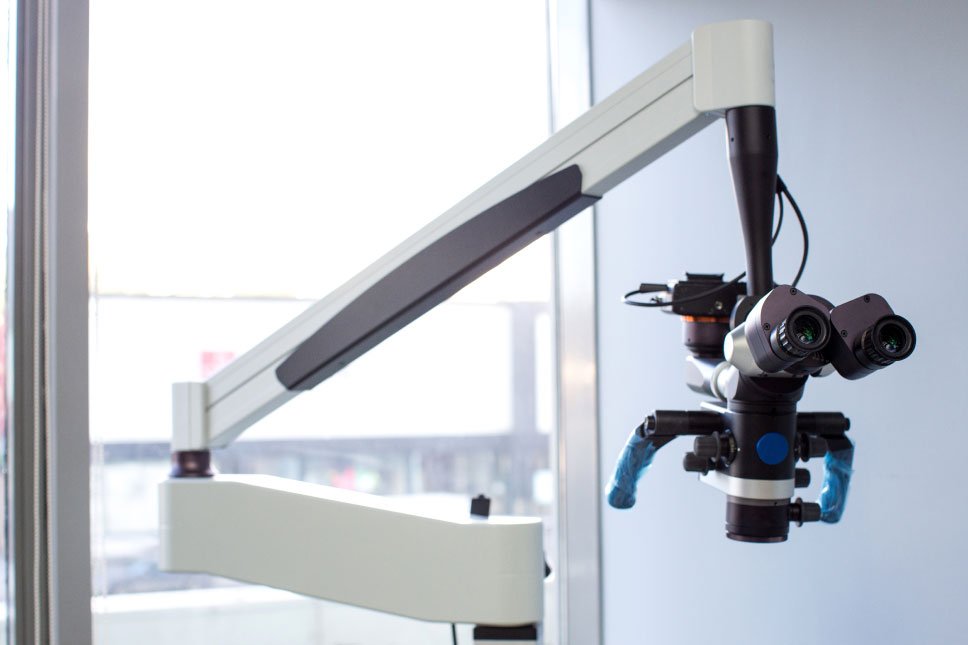
2025 will see faster and more accurate tests because of:
-
High-precision imaging
-
AI-based interpretation
-
Automated lab equipment
-
Portable diagnostic kits
This makes healthcare affordable and accessible.

5. Robotics and Automation in Hospitals
Robots are being used for:
-
Disinfection
-
Medicine delivery
-
Surgical assistance
-
Patient monitoring
Large hospitals in India have already started adopting robotic systems for routine tasks.
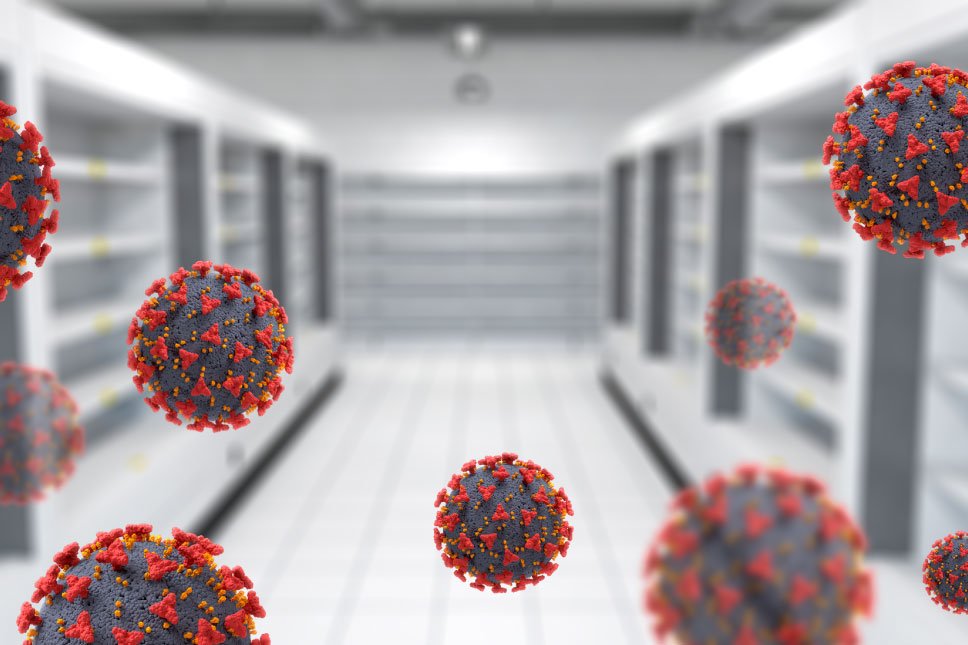
6. Increased Focus on Infection Control
After COVID-19, hygiene standards in India have drastically improved.
Hospitals now prioritize:
-
Disposable medical supplies
-
Surface disinfection
-
PPE availability
-
Sterile environment practices
-
Air filtration systems
This trend will continue because patients expect cleaner, safer spaces.
7. Smart Hospitals & IoT Integration
IoT (Internet of Things) is making hospitals more efficient:
-
Smart beds
-
RFID patient tracking
-
Automated vitals monitoring
-
Connected medical equipment
This helps reduce human errors and speeds up emergency response.

8. Home Healthcare Services Are Expanding
More people prefer treatment and recovery at home.
This includes:
-
Home ICU setups
-
Nursing care
-
Physiotherapy
-
Elderly care
-
Home diagnostics
This industry is expected to grow even faster in 2025.

9. Preventive Healthcare Is Becoming Mainstream
Instead of waiting for illness, people now invest in:
-
Full body checkups
-
Nutrition plans
-
Immunity supplements
-
Lifestyle changes
This shift will reduce long-term healthcare costs for families.

Final Thoughts
The future of healthcare is smarter, faster, and more connected.
For businesses like AlphaDist, this is a great time — clinics, hospitals, and labs are upgrading their hygiene and medical supply standards continuously.
If you want, next week I can cover topics like:
-
New medical technologies
-
AI in radiology
-
Best practices for clinic hygiene
-
Home healthcare equipment guides
-
Budgeting for medical supplies





0 Comments