
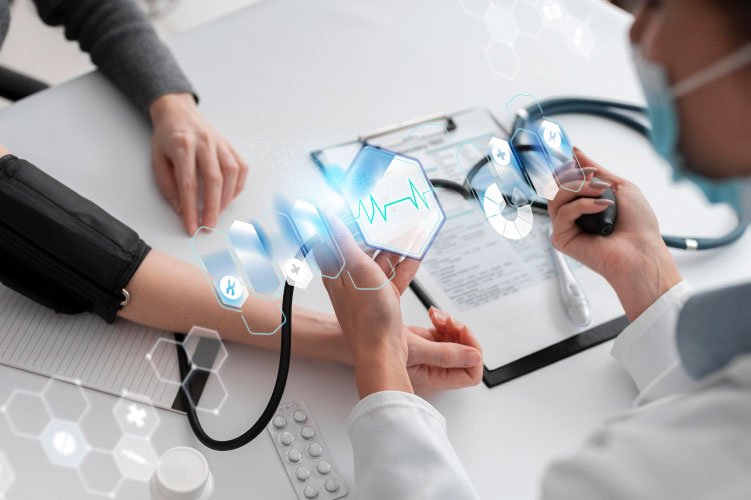

Most people visit a doctor only when something goes wrong. But healthcare today is slowly shifting from treatment to prevention. This approach is called preventive healthcare, and it’s becoming one of the most important pillars of modern medicine.
Instead of waiting for illness, preventive healthcare focuses on staying healthy in the first place.
What Is Preventive Healthcare?
Preventive healthcare includes medical services, habits, and screenings that help detect health issues early or stop them from happening at all.
It focuses on:
-
Preventing diseases
-
Detecting problems early
-
Reducing complications
-
Improving quality of life
Examples of Preventive Healthcare
Preventive care is already part of our daily life, even if we don’t realize it.
Common examples include:
-
Annual health check-ups
-
Vaccinations
-
Blood pressure monitoring
-
Blood sugar tests
-
Cancer screenings
-
Maintaining hygiene & sanitation
Why Preventive Healthcare Is So Important Today
Modern lifestyles have increased health risks due to:
-
Poor diet
-
Stress
-
Lack of physical activity
-
Pollution
-
Long working hours
Preventive care helps catch issues before they become serious and expensive.
Key Benefits of Preventive Healthcare
✔️ Early detection of diseases
✔️ Lower medical expenses
✔️ Reduced hospital visits
✔️ Better long-term health
✔️ Longer, healthier life
Role of Medical Supplies in Preventive Care
Basic medical tools play a big role in prevention:
-
BP monitors
-
Glucometers
-
Thermometers
-
Disposable gloves
-
Masks & hygiene products
Reliable medical supplies help maintain hygiene and safety at home and in clinics.
Final Thoughts
Preventive healthcare is not a luxury — it’s a necessity.
Small steps taken today can prevent major health problems tomorrow.
FAQs
Q1. Is preventive healthcare expensive?
No. It actually reduces long-term healthcare costs.
Q2. Who should follow preventive healthcare?
Everyone — children, adults, and elderly.


0 Comments